
5 Pine Beetle Infestation Signs to Watch For This Season
It All Starts With One Tree That Looks “Off”
Pine beetle infestation signs are often easy to miss—until it’s too late. This guide helps you spot trouble before it spreads. You’re out walking your property — coffee in hand, maybe checking on the firewood pile or just enjoying that crisp mountain air — when you notice it. That one pine tree looks… different. Not in a good way. The needles are more rust than green, there’s a strange little glob of sap halfway up the trunk, and now that you’re looking closer… is that sawdust at the base?
We’ve all been there. At first, you tell yourself it’s just stressed. Maybe it was the late frost. Or maybe that one heavy snowstorm did a number on it. Trees get tired too, right?
But deep down, you know what it might be — and it’s not good.
That’s how pine beetle infestations start. Quiet. Subtle. Easy to overlook until suddenly, you’re staring at a line of fading, crispy pines that used to be the pride of your backyard.
The Warning Signs: What to Look For Before It’s Too Late
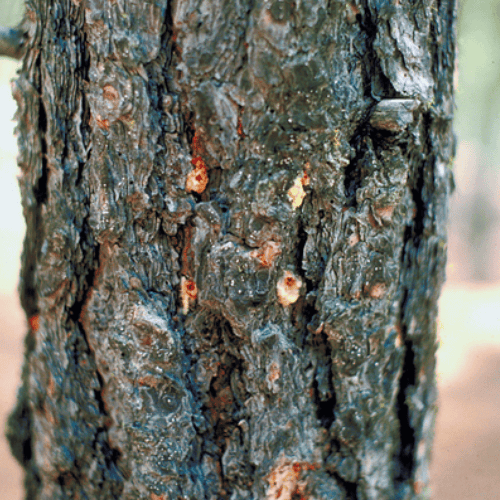
These are the small, gumball-sized blobs of sap you’ll see oozing out of the bark — sometimes creamy white, pinkish, or rusty red. Think of them like tree scabs — sticky defense wounds from a battle your pine is trying to win. Each pitch tube marks a spot where a beetle tried to bore in, and your tree fought back.
Trees only have so much energy to defend themselves. In dry years or heavy infestations, they can’t always keep up — and the beetles get the upper hand. That’s when a healthy pine turns into a target. And when one tree falls, it often isn’t long before the neighbors follow.
Where to spot them: Mid-trunk is the hot zone, especially on the south or west-facing sides, where bark stays warm and beetles like to enter.
What they mean: One pitch tube? Monitor it. A cluster of ten or more? Your tree is under siege.
What to do: If sap is still flowing, your tree’s still fighting — but it needs help. Act fast with treatment or prevention for surrounding trees.
Spotting pitch tubes is one of the most important early pine beetle infestation signs you can catch before serious damage occurs.
Once needles begin to fade, you’re well past the early pine beetle infestation signs, so it’s crucial to inspect other trees nearby for warning clues.
Boring Dust at the Base: The Beetle’s Breadcrumb Trail
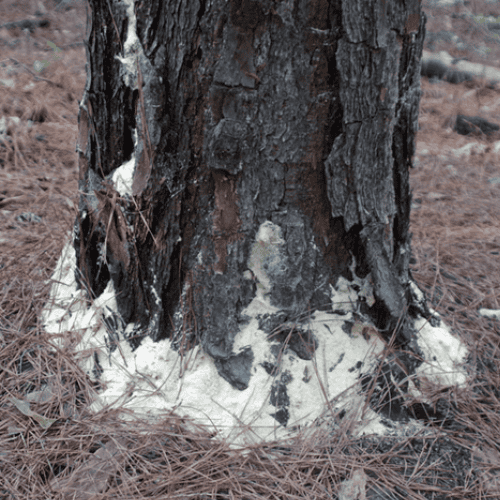
If you spot what looks like sawdust at the base of your pine, take a closer look — that fine powder is frass: a mix of beetle droppings and wood shavings from tunneling under the bark.
Why it matters: Frass means the beetles aren’t thinking about attacking — they already have. If pitch tubes are the alarm, boring dust is the aftermath.
Where to look: Check bark crevices, around the root collar, or right under a pitch tube. It might clump or appear as a light sprinkle — either way, it’s bad news.
Pro tip: Inspect on a calm day. If the dust is fluffy and fresh, the infestation is likely active.
No frass? That’s great — but stay alert. Beetle signs often come in clusters, and acting early gives you the best chance to protect your trees
Tiny Round Holes: Exit Wounds with a Story
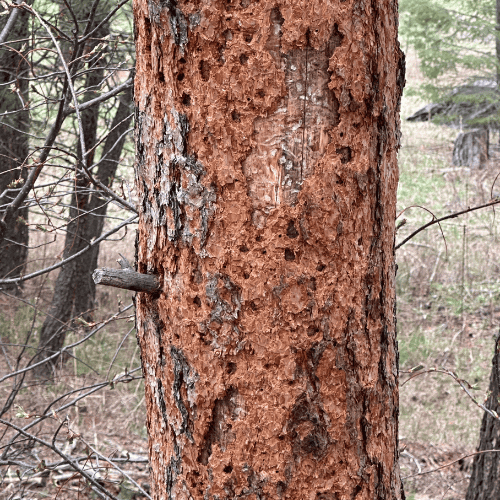
Sometimes the only clue is subtle — tiny, perfectly round holes in the bark, each about the size of a pencil tip. These are beetle exit wounds, left behind when adult pine beetles emerge to find their next tree.
Why it matters:
They’re a clear sign the infestation is complete. If you’re seeing them, the beetles have done their damage — and the tree may be beyond saving.
Where to look:
Scan the trunk, especially around mid to upper sections. Holes may appear solo or in clusters and are easier to spot on dry bark.
What to do:
If you see exit holes, inspect nearby trees for earlier signs like pitch tubes or boring dust. Those neighbors might still be protected — but you need to act fast.
Even one small hole can be the first clue of a much bigger problem.
Red or Straw-Colored Needles: The “Red Flag” of Infestation
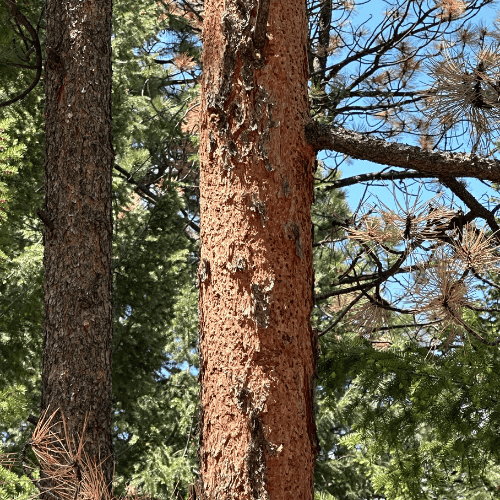
This is the sign that stops people in their tracks — when once-green pine needles turn red, yellow, or straw-colored. Unfortunately, by the time this happens, it’s often too late to save the tree.
The fade usually starts at the top, where beetles bore in and spread blue-stain fungus that blocks water and nutrients, slowly choking the tree from within.
When you see this, the beetles are likely gone — but their damage remains. That’s your cue to check nearby trees for early signs like pitch tubes or boring dust.
What to do next:
Document the tree’s condition
Check surrounding trees for other symptoms
Plan for removal or treatment
Head to the How to Fight Back page for guidance
Don’t wait for it to spread — one red tree could be your early warning.

Loose or Peeling Bark: The Hidden Horror Show
Peel back a section of bark — carefully, with gloves — and you may uncover the beetle’s signature: winding, S-shaped or pitchfork-like galleries carved just beneath the surface. These tunnels are made as female beetles lay eggs and larvae chew through the nutrient-rich cambium layer.
It looks like abstract art — if abstract art were drawn by something trying to kill your tree.
What it means: You’re looking at a beetle nursery. If bark comes off easily and reveals these patterns, the tree is likely dying or already dead. The galleries block water and nutrient flow, choking the tree from the inside out.
This isn’t just cosmetic — it’s the aftermath of a full-blown infestation. If you see these signs, it’s time to check surrounding pines and act fast before the problem spreads.
These bark patterns might be your final, undeniable warning before total tree death.
Don’t Wait for the Buzz to Get Louder
If you’ve spotted pitch tubes, boring dust, or reddish needles, don’t shrug it off. Pine beetles don’t take breaks — once they’re in, they don’t stop until the tree’s toast.
But here’s the good news: you’ve already taken the first step just by learning what to look for. Now it’s time to act. For more info, visit the Colorado State Forest Service’s mountain pine beetle guide.
Here’s what to do next:
Inspect every pine on your property, especially any with thinning tops or fading needles. Walk your land like you’re on patrol — because you are.
Document what you see. Snap photos, jot down symptoms, and track which trees are showing signs.
Visit our How to Fight Back page — it’s loaded with simple, proven treatment steps.
Need a second opinion? Head to the Contact page and send a message. I’ll help you identify what’s going on.
Stay alert. Spotting pine beetle infestation signs early can be the difference between saving a few trees or losing an entire stand.
So take that walk. Trust your instincts. And when in doubt — act fast.
Let’s keep these forests standing — one healthy pine at a time.